














My story
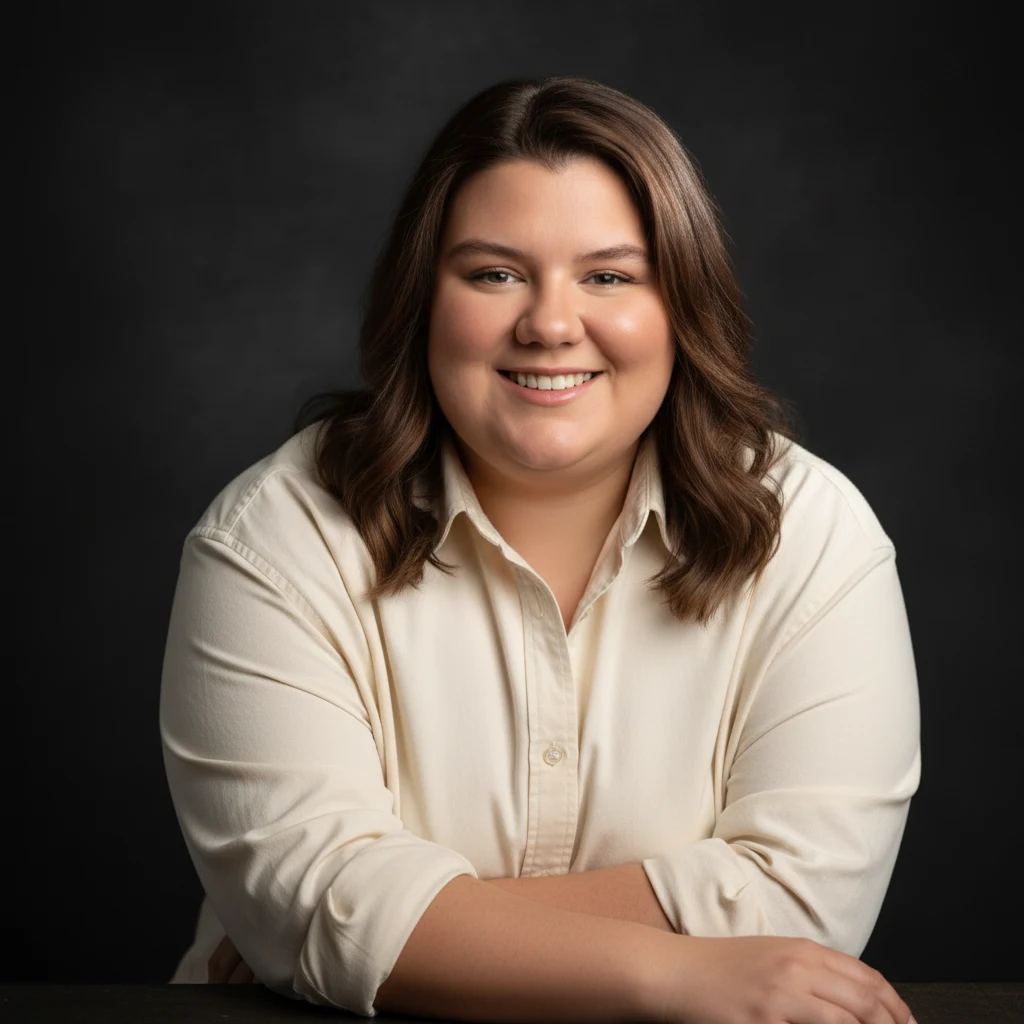
I went to Florida State University to become a doctor.
I became a private chef instead.
That somehow took me to Beverly Hills, then into the music industry, then influencer marketing, entrepreneurship, and eventually AI.
None of it was planned.
But looking back, there is a pretty obvious thread running through all of it.
I’ve always been fascinated by opportunity.
How people create it.
How they get other people to pay attention.
How an idea turns into demand.
And why some incredibly talented people build businesses that give them freedom, while others accidentally build themselves a very expensive job.
I think I started noticing those things long before I knew what business was.
When I was four years old, my parents divorced and my mom moved us into my grandparents’ house in Lima, Peru.
My grandfather was a pioneer in importing and exporting fish meal and fish oil, although I was way too young to understand what that meant.
I just thought it was normal to live in a three-story house with staff, ride around in a BMW with bulletproof windows, and have a bodyguard with us wherever we went.
That was my reality.
Then, in the late 1990s, I watched my mom build something completely different.
She traveled across the Americas hosting retreats and growing a meditation community with an email list of more than 20,000 people.
This was long before anyone was telling you to “build an audience” or “grow your personal brand.”
When we moved back to the U.S., I helped her run retreats, work events and sell merchandise.
I didn’t know what the word entrepreneur meant.
I just knew there were people in my life who created their own opportunities instead of waiting for someone to give them one.
Apparently, that rubbed off.
Because almost everything that happened next started the same way.
I saw an opportunity.
I followed it.
And then I figured out the business part afterward.
01Chapter
Private Chef
In 2009, I went to Florida State University planning to become a doctor.
The further I got into pre-med, the less I believed in the medical system, so I changed direction.
What I really wanted was music, but my parents weren’t going for that.
Culinary arts was my next choice.
So I switched into Food & Nutrition Science, worked in restaurants throughout school, and discovered I loved the kitchen, hospitality and solving problems under pressure.
After graduation, I moved back to Fort Lauderdale thinking I’d get a job, get an apartment and start my adult life.
Instead, I was sleeping on my mom’s couch, struggling to find work, with about -$300 in my bank account.
One night, I made dinner for my mom and brother and put a healthier twist on one of the sauces.
My mom said, “You should post this on Facebook. Maybe somebody wants to buy it.”
So I did.
I posted in a local Weston community group and offered to deliver orders the next day.
Within 24 hours, I had made $120.
Then something interesting happened.
As I delivered the sauces, people started asking:
Do you make lunches?
Do you meal prep?
Do you cater?
I said yes to everyone, rushed home and started creating menus and offers.
Within a week, I had gone from -$300 to around $2,200 cash collected.
A few weeks later, I had hired my brother and his friends to help with meal prep and deliveries.
I didn’t know anything about funnels, positioning, lead generation or sales.
I had made something, put it in front of people who might want it, and then listened when they told me what they wanted next.
I didn't know it yet, but I would spend most of my career doing some version of that.
02Chapter
Beverly Hills
Social media took that little food business somewhere I could not have predicted.
A family in Beverly Hills found me through Facebook, and I had two weeks to pack up my life in Florida and move across the country to become their live-in private chef.
At the same time, I was still trying to give myself a shot in the music industry.
So I started going to events where I knew nobody.
I took random opportunities.
I met people through cooking, music, pop-ups and friends.
One introduction created another.
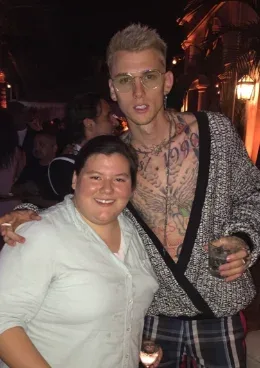
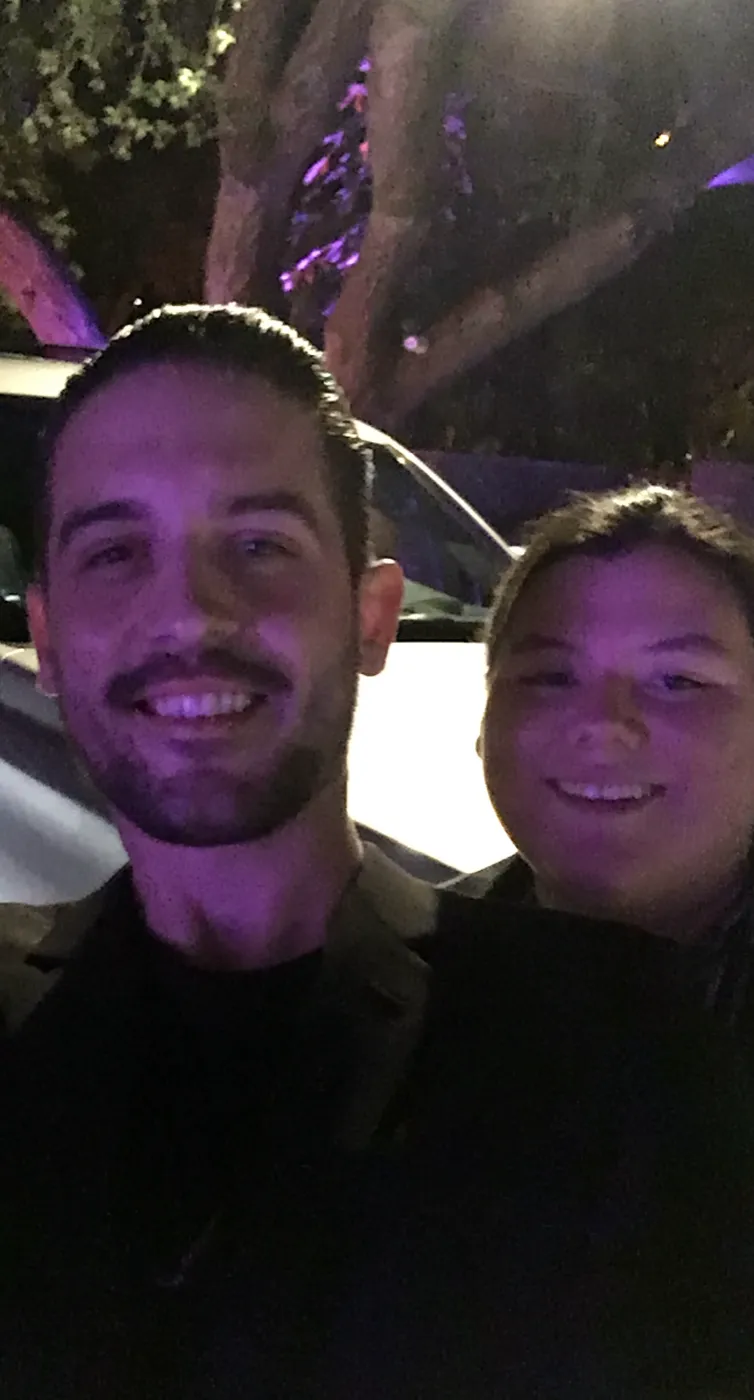
Eventually, I found myself in rooms with people I had only seen on television or listened to on Spotify.
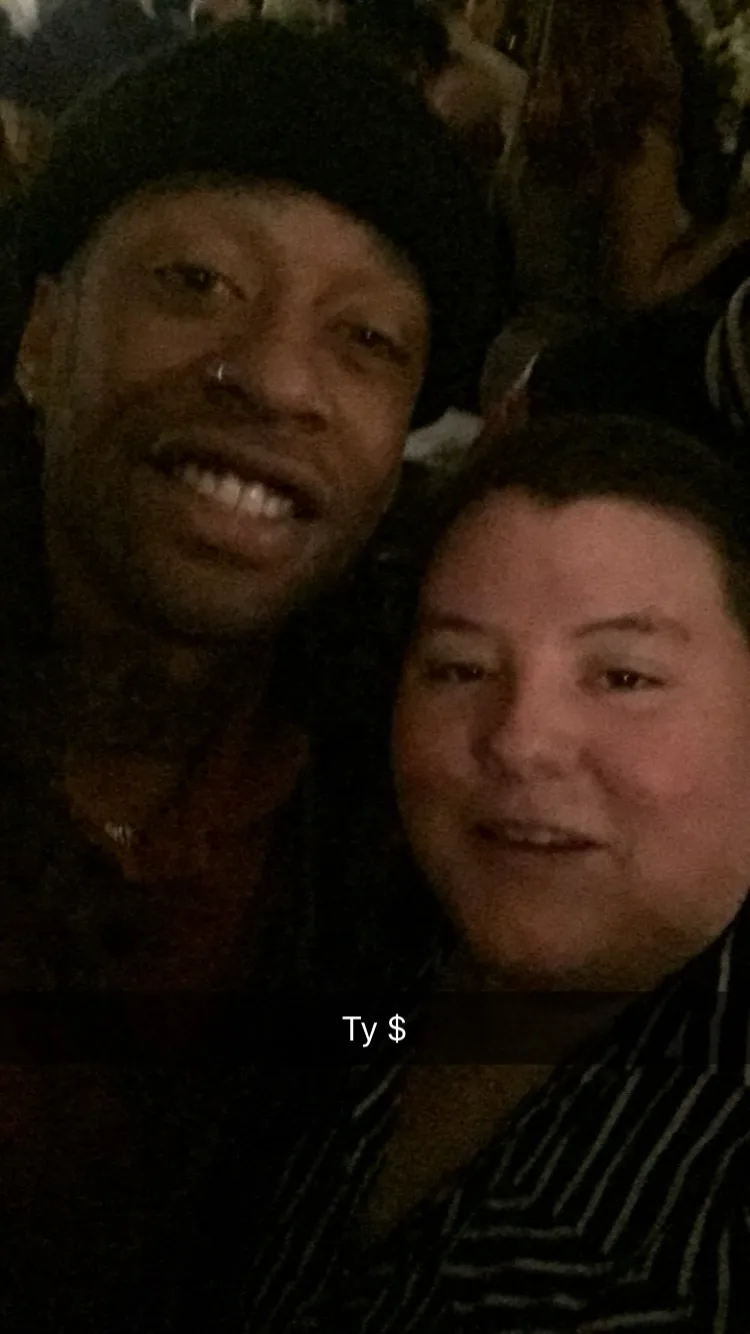
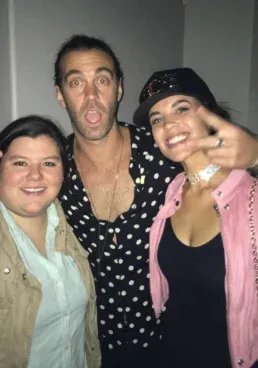
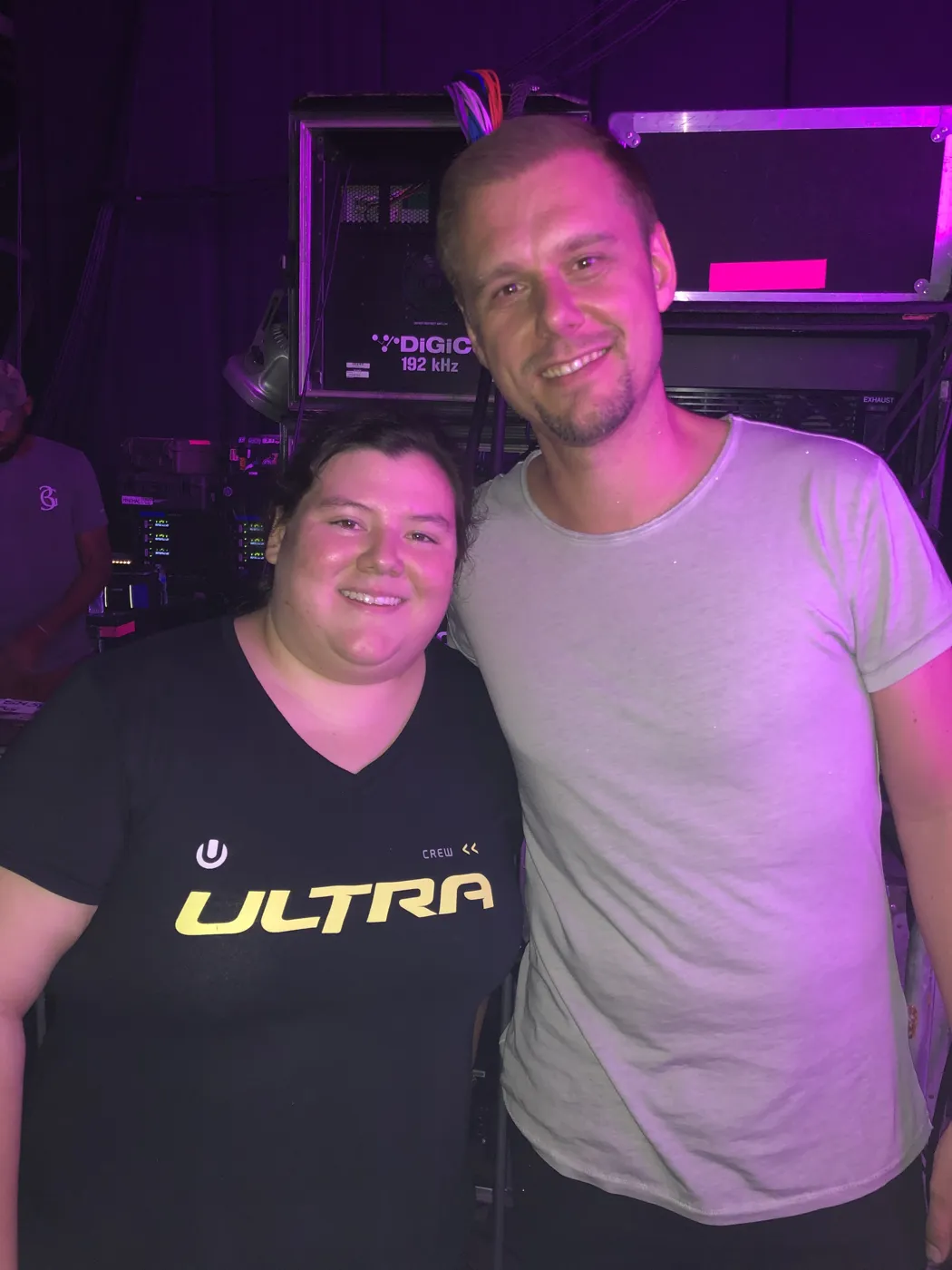
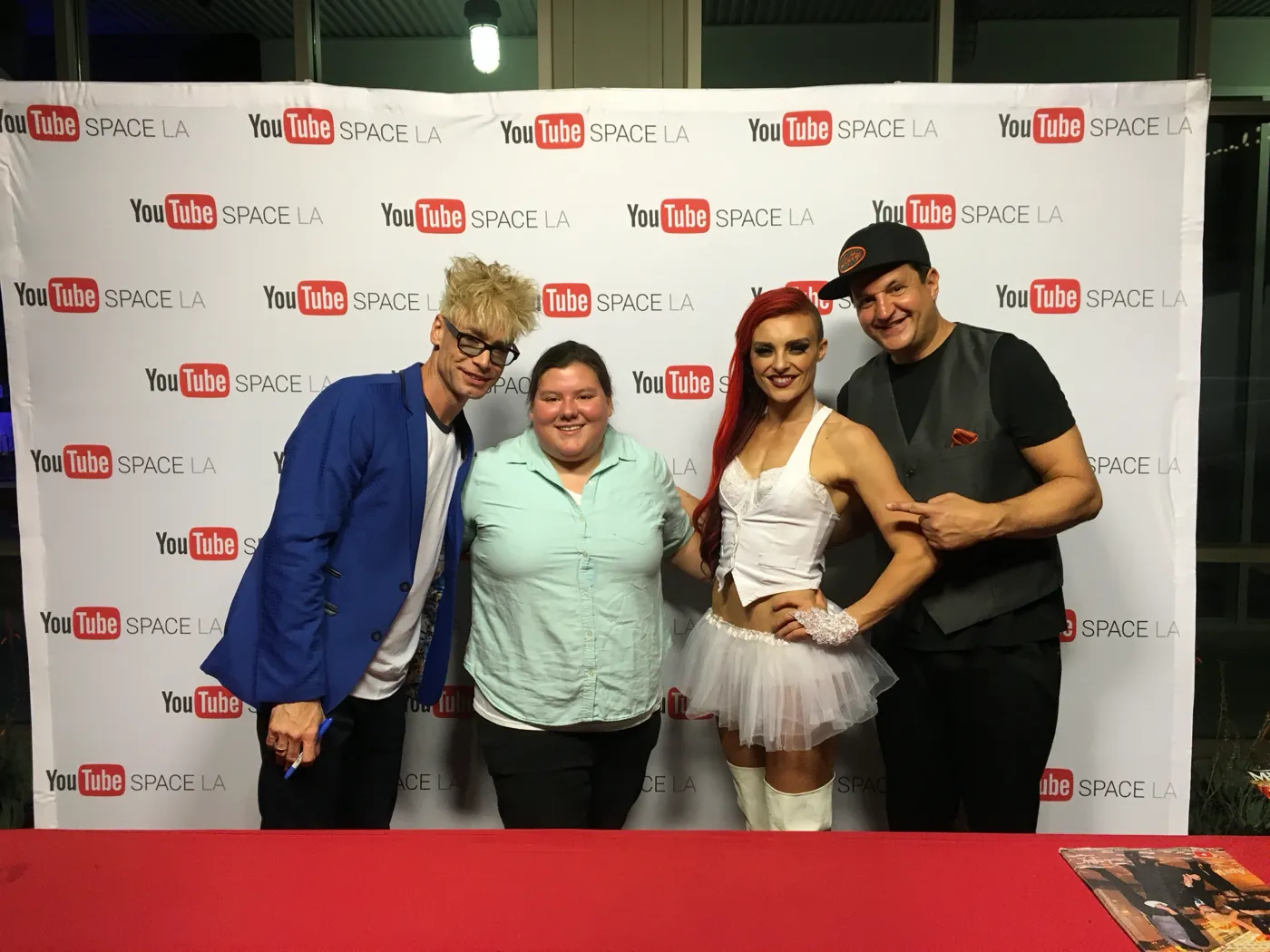
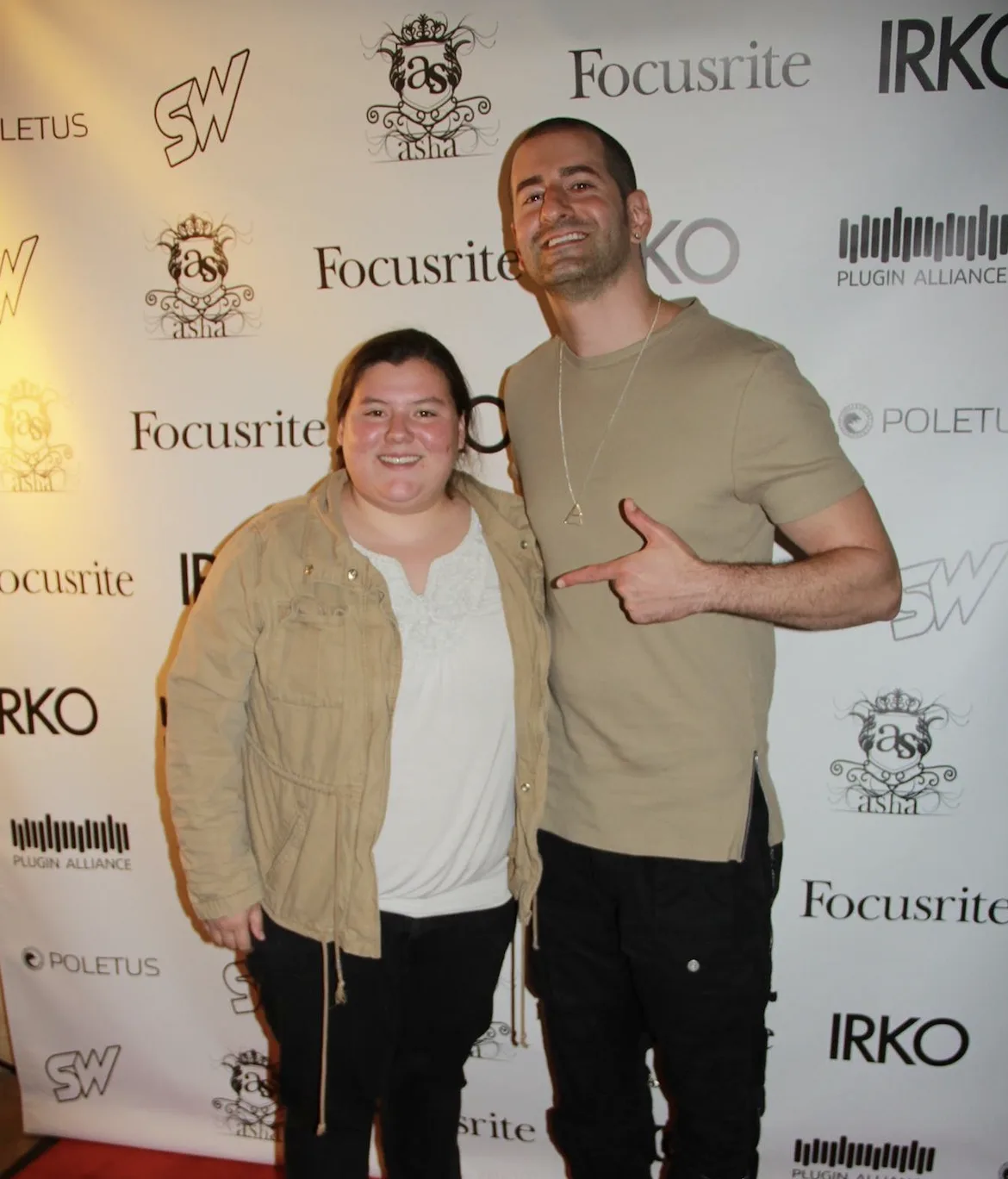
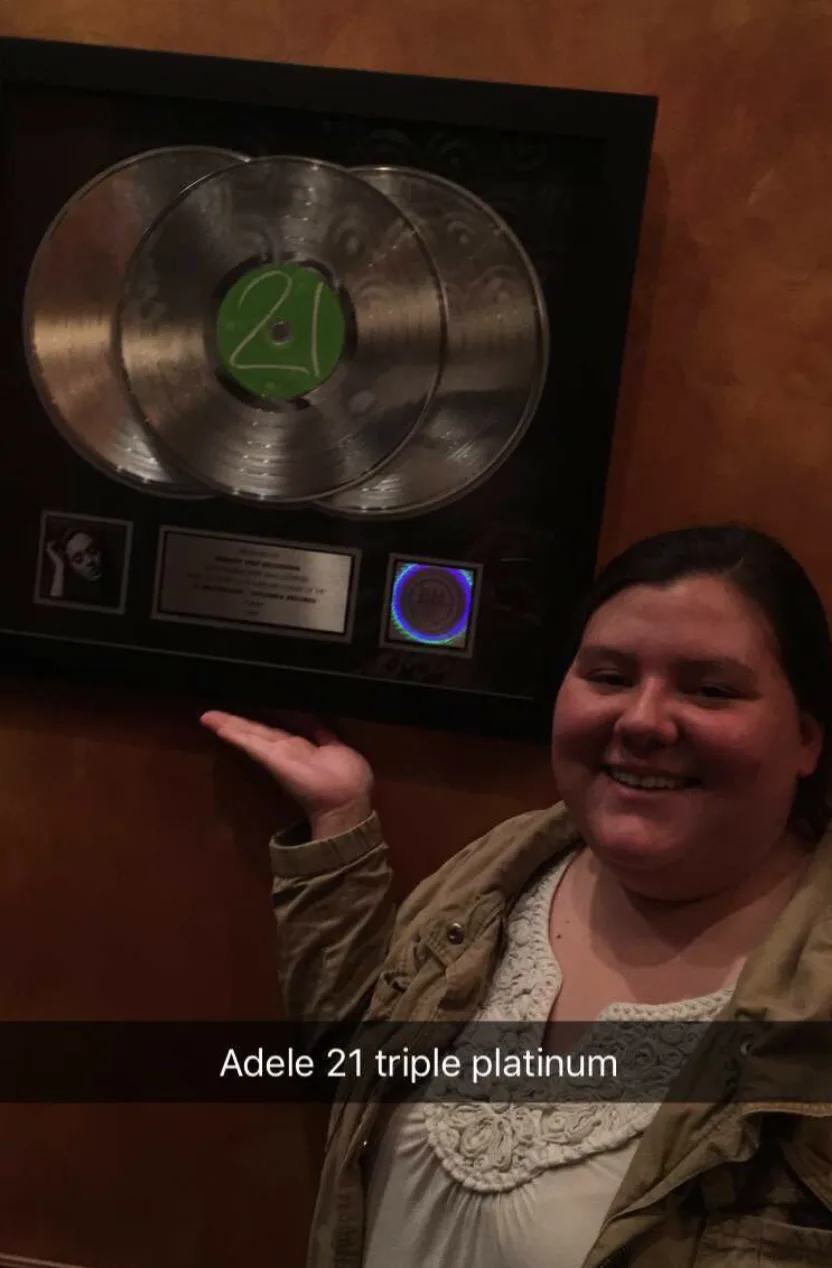
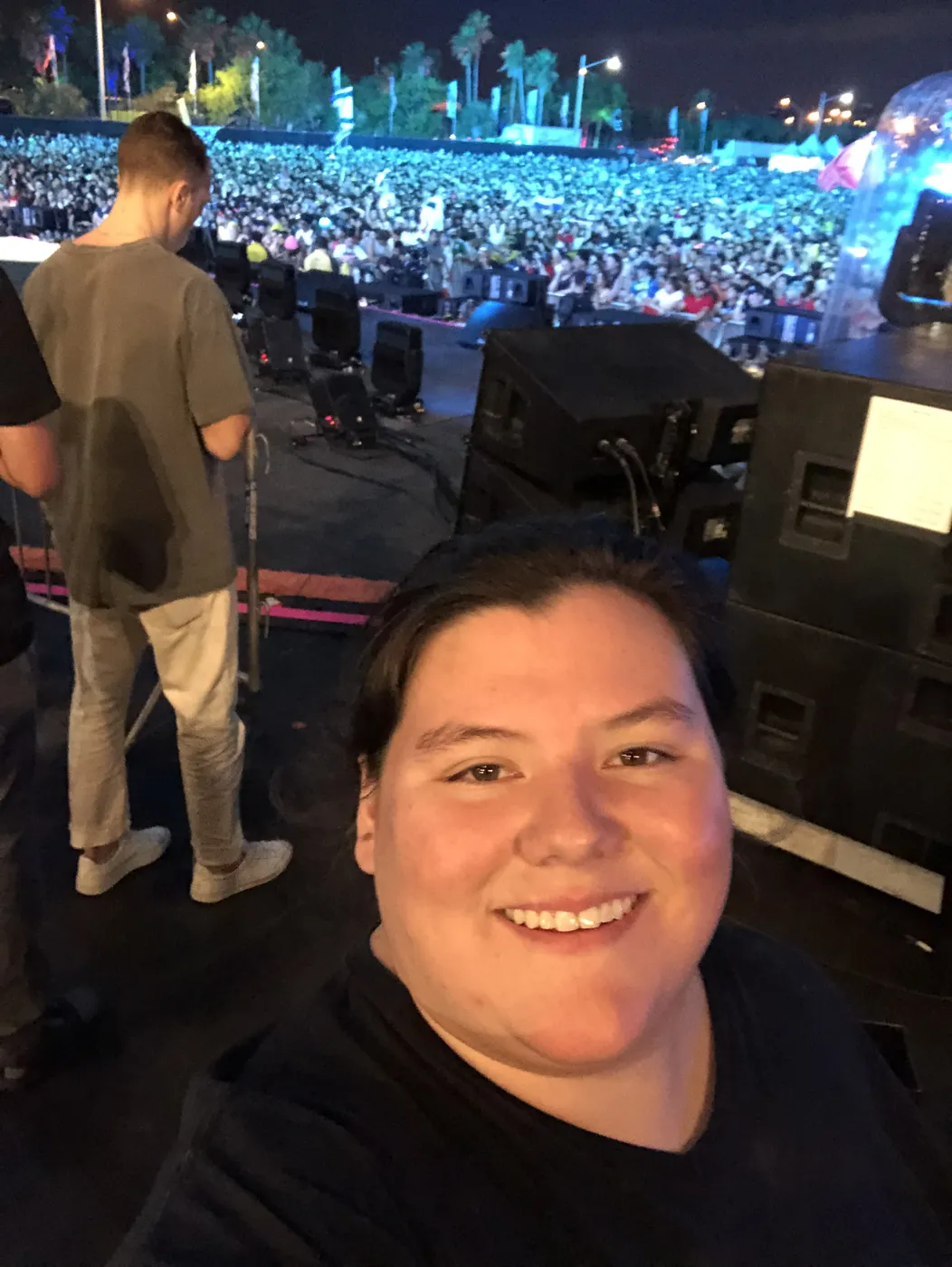
The photos on this page are exactly what they look like: moments from rooms I worked hard to get into. Not claims that these people were my best friends.
But being in those rooms changed the way I thought about opportunity.
Being good at what you do is not enough.
People have to know you exist.
Perception changes opportunity.
Reputation changes opportunity.
Relationships change opportunity.
And the person who owns the attention usually has more leverage than the person waiting to be discovered.
Eventually, I worked in A&R at Sony Music while still working as a private chef.
But the thing I became most interested in wasn't just music.
It was what was happening around it.
The internet was changing how people got discovered.
Creators could build their own audiences.
Attention was becoming distribution.
And distribution could become a business.
03Chapter
Fame Hackers
After leaving Los Angeles, I became obsessed with learning how online businesses actually worked, from creating an offer and finding customers to building an audience and turning that attention into revenue.
I made plenty of mistakes.
I once sold ten $1,000/month clients from a Facebook group, hired someone to fulfill the work, and had to refund everyone when he disappeared.
I once took 91 sales calls in a month and closed exactly zero dollars.
Both experiences were useful.
Creating demand, closing demand and fulfilling demand, I learned, were three completely different skills.
Eventually, I took a job at Influencer Marketing Factory while building Fame Hackers on the side.
That put me behind campaigns for brands like Google, YouTube, UnitedHealthcare, Bud Light Seltzer, Sony Music, Hilton, Snapchat and others.
And I kept seeing the same dynamic I had noticed in Los Angeles.
The brand had the budget.
The creator had the audience.
The audience was the leverage.
So I went all in on building something of my own.
Fame Hackers started in music because music was the world I knew and wanted to be a part of.
But the conversations I was having with musicians weren't really about music.
What should I sell?
How should I position it?
Who would pay for it?
How do I grow an audience?
How do I turn that attention into revenue?
Soon, I was having the same conversations with coaches, consultants and experts.
That was when I realized the industry was almost beside the point.
What fascinated me was the business underneath the expertise.
Brands I ran campaigns for










04Chapter
Until ChatGPT was born...
In early 2023, I started playing around with ChatGPT and immediately knew this was going to shift the world as we know it.
I went all in on AI and LinkedIn.
At the time, I had roughly 2,000 LinkedIn followers.
I gave myself the rest of the year to reach 5,000.
A few weeks later, one of my posts went viral.
3 weeks into working towards my goal I had roughly 13,000 followers.
Around 8,000 people followed me in one weekend.
Then came the question every founder wants to hear:
What can I buy from you?
At first, they wanted LinkedIn growth.
So I sold about $40,000 in LinkedIn services in one week.
Then they wanted ChatGPT for marketing.
So I sold that.
But the closer I got to the customers, the clearer something became.
They didn't actually care about ChatGPT.
They wanted to make money.
So the work moved underneath the tool.
Instead of just teaching people how to use AI, we started helping them figure out their offers and positioning, build funnels, set up GoHighLevel, automate their follow-up, and connect all of it into something that could actually generate revenue.
We started building entire systems for people.
And then I ran into a new problem.
We could build someone the CRM.
We could build the funnel.
We could automate the follow-up.
We could give them AI.
And some of them still did nothing with it.
Because having the infrastructure didn't mean they knew what to sell.
It didn't mean they knew where their customers were coming from.
It didn't mean they knew what was broken.
And it definitely didn't mean they knew what deserved their attention today.
Sometimes, we weren't solving the problem.
We were just automating their confusion.
05Chapter
And then AI agents came along
At the end of 2023, I was one of the first 100 agencies in the entire world who was licensed to implement AI voice agents into companies.
I was so early into AI voice agents, it wasn't even considered an industry yet.
I started my AI agency where I was implementing AI voice agents into SMBs and after generating $500k I decided to merge with two other guys, which led to Infinite AI.
Within a few months we grew the company to roughly $600,000 cash collected.
From the outside, things were working.
But now I had created a different problem for myself.
The things I naturally gravitated toward were GTM, content, audience, positioning, discovery and offer strategy.
The business kept pulling me deeper into fulfillment.
More customers created more work.
More work required more people.
More people required more management.
And despite having a team, more and more decisions still found their way back to me.
We were making money.
But I was building myself deeper into a business I didn't actually want to spend my life operating.
That was harder to admit than it probably should have been.
Because revenue is very good at convincing you something is working.
Eventually, I had to separate two questions I had treated as one:
Is this a successful business?
And:
Is this a business I actually want to own?
They weren't the same question.
06Chapter
What My Customers Were Really Paying For
After leaving Infinite AI, I launched my AI business again under my personal brand IzzyGPT, with a bootcamp, an AI certification and a retreat.
They generated about $186,000 cash collected in six weeks.
Afterward, I asked my customers why they bought.
I expected them to talk about the curriculum.
Or the certification.
Or AI.
Their answer surprised me.
Access.
They wanted access to how I thought.
That was hard for me to value.
Looking at someone's business, asking a bunch of questions, spotting what didn't add up and saying, “I think this is actually your problem” felt like talking to me.
To them, it wasn't.
And once I saw that, I started noticing the same pattern everywhere.
A founder would tell me they needed more leads.
We'd look closer and discover hundreds of existing opportunities sitting untouched inside their systems.
Someone would think they needed a new funnel.
The offer was the problem.
Someone else would buy more software.
They didn't have a software problem.
The problem they thought they had was often one or two layers above the problem that was actually constraining the business.
AI made that problem even more interesting because suddenly founders could create almost anything. They could produce content, launch funnels, spin up agents, automate workflows and add new software faster than ever before.
But all of that new capability didn't automatically create clarity. In some cases, it just gave people more ways to spend time working on the wrong thing.
That brought me back to a problem I had now seen from almost every possible angle.
As a founder.
As an agency owner.
As an advisor.
And inside hundreds of other businesses.
We had more tools than ever.
Someone still had to figure out what to do.
07Chapter
IzzyOS
That's where IzzyOS came from.
Not from an idea that founders needed another AI tool.
Quite the opposite.
Founders already have enough software.
Now they have AI too.
What they don't necessarily have is something capable of looking across the entire business, understanding what is actually happening, identifying whether the real constraint is demand, the offer, conversion, follow-up, retention, operations or something else entirely, and then figuring out what deserves attention next.
And once we know, can the system actually do something about it?
That's what IzzyOS does.
An AI business operating system that can understand what is happening across a business, identify constraints and opportunities, recommend what to do next, help execute the work, measure what happened, and learn from the result while completely removing the human from becoming the bottleneck.
This is not another dashboard, or training waiting for you take action.
This is not another software piece to connect into your 100s of softwares.
This is the AIOS that actually connects all the pieces together without continuing to build a business that is founder dependent.
Because after everything I've built, one idea has become increasingly difficult for me to ignore:
The founder shouldn't have to be the operating system.
And yet, in most founder-led businesses, they still are. The context, judgment and decisions required to move the company forward still live largely inside the founder's head, which means that even after adding employees, software and automation, the business can remain dependent on that person to connect the dots and keep everything moving.
Then we call the business “scaled” because there are more people helping them do it.
I think AI gives us an opportunity to rethink that entire model.
That's the bet behind IzzyOS.
And it's probably the culmination of a career I absolutely did not plan.
The chef taught me to listen to the customer.
Los Angeles taught me the value of attention and relationships.
Fame Hackers taught me how demand becomes a business.
AI taught me how quickly execution can become cheap.
Infinite AI taught me that revenue and freedom are not the same thing.
And my customers taught me that the hardest problem is often not doing more.
It's figuring out what actually matters.
Now I get to put all of those lessons into one thing.
I'm on a mission of building a 1-person billion dollar AI-native business.
I don't believe that one person should have to wear all the hats. I want to test how far we can push the idea of a company that grows without automatically requiring more humans, more management and more founder involvement.
I'm building that experiment in public through my content, sharing what works, what fails, what I change my mind about, and what I learn as AI takes on more of the intelligence and execution that businesses have historically needed teams to handle.
What I believe now
- 01
I believe your business should fit the life you want, not the other way around.
- 02
I believe leverage matters more than effort.
- 03
I believe attention, trust, and distribution are still some of the most valuable assets in business.
- 04
I believe AI should remove work and decision burden, not give founders more things to manage.
- 05
I believe business owners don't care who does the work: AI, humans or your pet pony. They care about outcomes and results.
- 06
I believe we limit ourselves, whether it's our limiting beliefs or our responsibilities. Then we hire people to help us, and if the limiting beliefs come with us, we end up limiting them from doing what they were hired to do, and nothing happens. That's why mindset comes first.
- 07
I believe most people already know more than they think they do. The hard part is figuring out which skills, experiences, relationships, and ideas actually belong together.
- 08
And I believe none of this matters if the business you build pulls you further away from the life you wanted in the first place.
That is the thread behind everything I do now.
I build IzzyOS around it.
I advise founders through it.
And most of the time, the people who find me are not starting from zero. They already have expertise, clients, offers, an audience, technology, or a real business.
They are just trying to figure out what matters now, where the leverage is, what AI should actually change, and what the next version of the business should look like.
That's the work that feels like play to me.